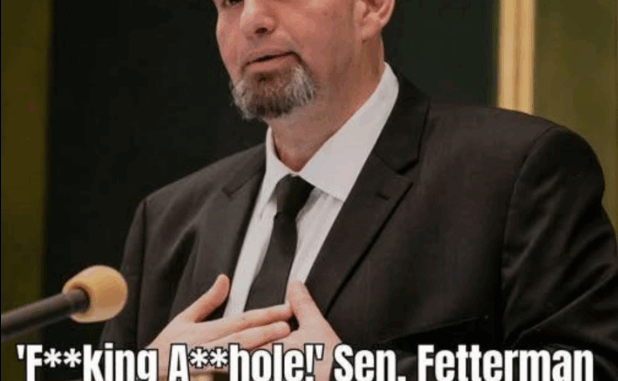
Sen. John Fetterman of Pennsylvania has long been known for a blunt, unfiltered approach to politics—an approach that, for better or worse, has repeatedly put him at odds not only with Republicans, but increasingly with members of his own party. The most recent government shutdown once again highlighted that internal tension. While Congress scrambled for a solution to the gridlock that left federal workers unpaid and vital programs in limbo, Fetterman made a choice that separated him from many Democratic leaders: he voted early and consistently to reopen the government.
His decision wasn’t subtle—nor was his frustration with Democratic officials who, in his view, were treating the shutdown as political leverage rather than an urgent national crisis. In an interview with CNN’s Dana Bash promoting his new book, Unfettered, Fetterman revealed that behind the scenes, his candor led to some extraordinarily harsh conversations, including a particularly tense exchange with Pennsylvania’s Democratic governor.
According to Fetterman, the pushback he received from his vote and public statements did not come primarily from Republicans. Instead, the senator said the “most poisonous, the bitterest” criticism came from factions on the ideological left—especially from activists and commentators who felt his cooperation with reopening efforts undermined broader Democratic strategy. He pointed specifically to the platform Bluesky, where he described the commentary as harsher than anything he had seen from political opponents across the aisle.
Fetterman’s conflict with the governor, however, was a different matter. While he did not reveal every exact phrase exchanged, he hinted strongly that the discussion was raw, emotional, and deeply confrontational. According to the senator, the two clashed over the shutdown strategy and the messaging coming out of Pennsylvania’s Democratic leadership. Fetterman said he made it clear that he believed prioritizing political optics over the real-world consequences for Pennsylvanians was unacceptable.
In the interview, he recounted how he told the governor that the shutdown was not a chess match, not a bargaining chip, and certainly not an opportunity to engineer political fallout beneficial to the party. It was, in his view, a direct threat to working families who rely on federal paychecks, food assistance, and essential services. He said he pressed the governor to consider the thousands of Pennsylvanians who were beginning to face missed payments, late rent, and growing financial strain.
