
How the Racism Card Enabled $1 Billion Fraud: Minnesota Agencies Cowered in Fear
A sweeping fraud scandal in Minnesota has raised troubling questions about how fear of political backlash and accusations of racism may have contributed to one of the largest alleged misuses of public funds in state history. At the center of the controversy are state agencies accused of ignoring clear warning signs while hundreds of millions—reportedly approaching $1 billion in total exposure—were siphoned from taxpayer-funded programs intended to help vulnerable communities.
The scandal, uncovered through federal investigations and multiple indictments, primarily involved pandemic-era aid programs designed to provide food and social services to low-income families. Prosecutors allege that nonprofit organizations and individuals submitted fraudulent claims, falsified records, and funneled public money into luxury homes, expensive cars, and overseas accounts.
Critics argue that the fraud was not merely the result of bureaucratic incompetence, but of a deeper cultural failure within Minnesota’s government. According to whistleblowers and internal communications revealed in court filings, state officials repeatedly raised concerns about irregularities, inflated numbers, and suspicious operations. Yet decisive action was delayed for months—or even years.
Why? Some insiders point to a climate of fear.

Several state employees have stated that they were warned against aggressive oversight because many of the organizations under scrutiny were minority-led nonprofits. Officials reportedly worried that stricter enforcement or audits could trigger accusations of racism or discrimination. In internal discussions, concerns about “optics” and “equity impacts” allegedly outweighed standard fraud-prevention protocols.
“This wasn’t about a lack of rules,” said one former oversight official familiar with the case. “The rules existed. What was missing was the courage to enforce them.”
The situation was exacerbated during the COVID-19 pandemic, when emergency funding was rushed out with reduced safeguards. Federal and state agencies were under pressure to distribute aid quickly, and oversight mechanisms were loosened. While speed was necessary, investigators now argue that fraudsters exploited this environment—knowing agencies were reluctant to challenge them.
As the alleged fraud ballooned, warning signs became harder to ignore. Some nonprofits claimed to be serving tens of thousands of meals per day out of small facilities with limited staff. Others reported implausible growth rates within weeks. Despite this, payments continued.

When law enforcement eventually intervened, the scale of the alleged fraud stunned the public. Lavish spending detailed in indictments fueled outrage, particularly among communities the programs were meant to help. “This money was supposed to feed children,” one community advocate said. “Instead, it fed greed.”
Minnesota officials have since promised reforms, including stricter oversight, clearer lines of authority, and protections for employees who raise concerns. Some lawmakers are also calling for hearings to examine how accusations of racism may have been used—intentionally or not—to shield wrongdoing.
Civil rights leaders caution against drawing the wrong lessons. They argue that accountability and equity are not mutually exclusive and warn that fraud should not be used to discredit legitimate minority-led organizations. Still, many agree that transparency and enforcement must apply equally to all.
The scandal has become a national case study in how good intentions, when combined with fear-driven governance, can produce disastrous results. As prosecutions continue, Minnesota faces a hard reckoning—not only over lost money, but over a system that critics say failed the very people it claimed to protect.
HUNTER BIDEN CLAIMS HE IS MILLIONS IN DEBT AND “BROKE” DESPITE YEARS OF HIGH-EARNING DEALS
LOS ANGELES — In a candid and startling admission regarding his personal finances, Hunter Biden has reportedly stated that he is drowning in debt—with figures cited as high as $15 million—and claimed that despite his father’s decades in high office, the Biden family possesses “no generational wealth.”
The comments paint a picture of financial ruin for the son of President Joe Biden, a sharp contrast to the lucrative international business deals that made him a central figure in political controversies for years.
“I Have No Idea How I\’m Going to Pay It Off”
According to recent reports and legal filings, Hunter Biden has described his financial situation as dire. He has cited a “significant downturn in his income” and crushing legal debts as primary reasons for his inability to sustain his lifestyle or continue fighting legal battles.
Earlier this year, Biden’s legal team filed motions to drop a lawsuit against Garrett Ziegler—the former aide who published the contents of the infamous laptop—explicitly stating that Biden “does not have the resources to continue to litigate this matter.”
Financial Setbacks: Legal Fees and Wildfires
Hunter’s financial collapse is attributed to a “perfect storm” of liabilities:
Massive Legal Defense Costs: Years of federal investigations into his taxes and gun possession, along with congressional probes, have reportedly drained his resources.
Tax Liabilities: While a third party reportedly paid off roughly $2 million in past tax debts, new obligations and interest have continued to mount.
Personal Loss: In early 2025, the California wildfires ravaged the Pacific Palisades, reportedly rendering Hunter’s rental home “unlivable” and forcing him to incur significant relocation costs during a cash crunch.
“The Bidens Are Broke” Narrative
Hunter’s claim that the Biden family lacks “generational wealth” echoes a long-standing narrative from his father, who often referred to himself as “Middle-Class Joe” during his Senate years. However, critics point to the millions of dollars the family earned from book deals and speaking engagements post-Vice Presidency, as well as Hunter\’s own earnings from firms like Burisma and CEFC China Energy, which reportedly netted him millions in just a few years.
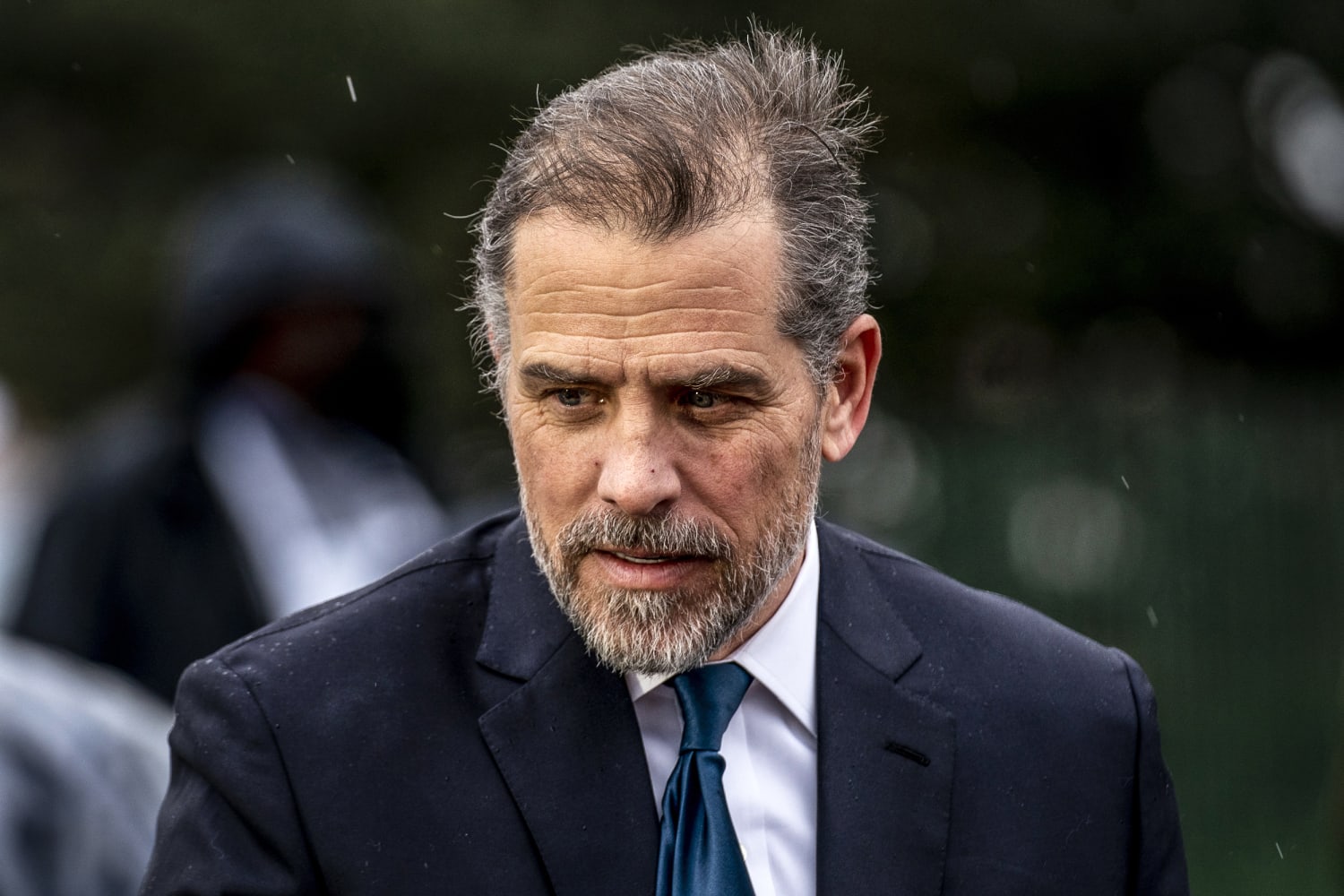
Skeptics argue that the plea of poverty is a strategic move to garner sympathy or avoid further legal judgments, asking how a man who earned over $11 million between 2013 and 2018 could now be facing insolvency.
As Hunter attempts to rebuild his life following his father’s pardon, the question remains: Is this a temporary cash flow crisis, or the permanent collapse of the Biden brand\’s financial power?
Truth Behind Biden FBI\’s Raid of Mar-a-Lago Revealed – It\’s worse than we thought
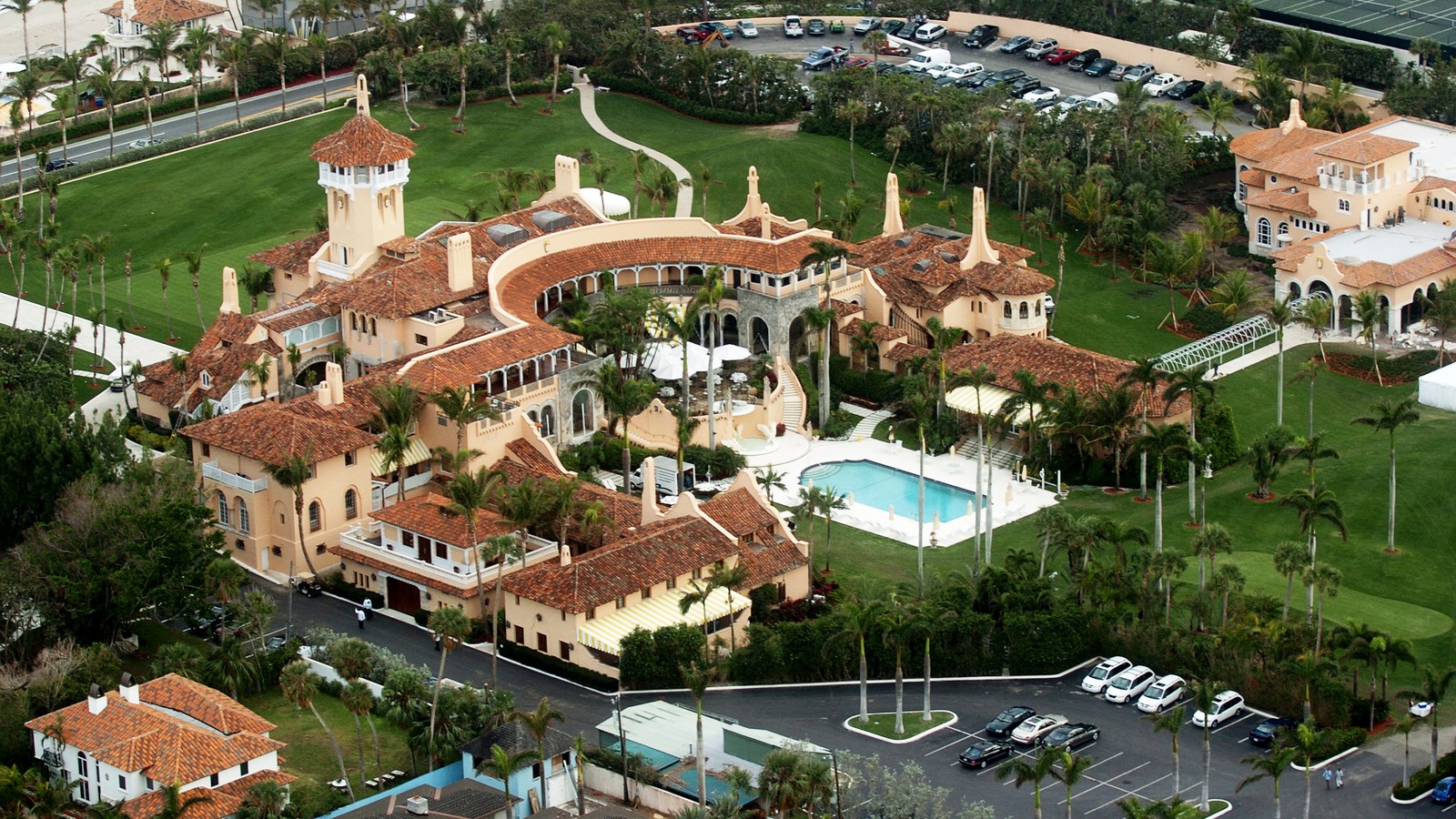
WASHINGTON — A stunning new revelation has shattered the narrative that the Department of Justice acted independently during the 2022 raid on Donald Trump’s Mar-a-Lago estate. According to Chad Mizelle, former chief of staff to Attorney General Pam Bondi, emails have been uncovered proving the Biden White House “coordinated” directly with the DOJ and the National Archives (NARA) leading up to the unprecedented search.
The most damning piece of evidence? A directive to hide the paper trail.
“Why Don\’t We Take This Offline?”
In an exclusive interview, Mizelle described a flurry of communications between the Biden White House Counsel’s Office, Merrick Garland’s DOJ, and NARA officials in the months preceding the August 8, 2022, raid. The emails show active discussions regarding documents at Trump’s estate—until the moment the operation became imminent.
“They were talking about it. They’re talking about documents. They were looping in NARA,” Mizelle explained. “And continuing to talk about it until at one point, somebody says, ‘Hey, why don’t we take this offline.’”
 Following that specific instruction, the digital trail went cold. “And then all of a sudden every email communication on this thing stops,” Mizelle added.
“Concrete Evidence” of Weaponization
For years, the Biden administration maintained that they had no prior knowledge of or involvement in the FBI\’s decision to search the home of a former President. Mizelle argues these emails prove the exact opposite.
“We have concrete evidence that Biden’s White House was very much involved in the most unprecedented, unjust and improper law enforcement act, really in the history of our country,” Mizelle stated.
The implication is severe: high-ranking officials likely moved their planning to encrypted channels or in-person meetings to avoid creating a record of their involvement in what Mizelle calls using the FBI to “raid the home of a political rival.”

The Fallout
This revelation is expected to ignite a firestorm on Capitol Hill. If the White House was directing the DOJ\’s tactical decisions regarding Donald Trump, it would represent a shattering breach of the “firewall” that is supposed to separate the presidency from federal prosecutors.
As Attorney General Pam Bondi’s team continues to review the internal records of the previous administration, the “offline” order may become the defining smoking gun of the era.
Trump Praised By Clinton, Schumer After Historic Israel-Hamas Peace Deal Former President Donald Trump is receiving rare praise from Democrats and political opponents after brokering a peace deal between Israel and Hamas, effectively ending two years of devastating conflict. The deal follows the October 2023 Hamas attack that killed 1,300 Israelis and took over 250 hostages. Israel responded with a massive military campaign that killed thousands in Gaza and left widespread destruction. 
With the support of Qatar and other regional partners, the Trump administration successfully negotiated a ceasefire that included the release of all 20 remaining Israeli hostages and more than 1,900 Palestinian prisoners. Former President Bill Clinton publicly commended Trump’s involvement, stating that he and his team “deserve great credit” for staying committed to the negotiations. Clinton emphasized the importance of turning this “fragile moment” into a foundation for lasting peace.
Senate Minority Leader Chuck Schumer also acknowledged Trump’s contribution, calling the hostages’ release “a wonderful day” and expressing gratitude for the administration’s work. Trump, in remarks to Israeli leaders, urged a move away from warfare toward diplomacy and described the agreement as a pivotal moment for long-term regional stability.
Other Democratic leaders, including House Minority Leader Hakeem Jeffries and former President Barack Obama, praised the ceasefire and the flow of humanitarian aid into Gaza. However, they did not directly credit Trump. Still, their support for the outcome highlights the significance of the agreement and the hope it brings to the region.
When asked about the longevity of the ceasefire, Trump said the future is uncertain but vowed to continue supporting peace efforts, expressing hope that another Republican would carry on his work after his term ends.
“WE\’RE GOOD”: GAVIN NEWSOM SHRUGS AS CHEVRON FLEES CALIFORNIA AFTER 146 YEARS, SETTING STAGE FOR $10 GALLON GAS
SAN RAMON, CA — In a historic economic earthquake for the Golden State, Chevron has announced it is pulling its headquarters out of California, ending a 146-year relationship that began in 1879.
The departure of the energy titan is a massive blow to the state\’s tax base and prestige. However, the headline isn\’t just the exit—it is Governor Gavin Newsom’s stunningly dismissive reaction to the news.
“We\’re Good”
According to reports, when Chevron leadership personally informed Governor Newsom of their decision to relocate (widely expected to be Texas), his response was brief and brazen.
“We’re good.”

The two-word dismissal has gone viral, encapsulating what critics call the arrogance of a one-party state that is hostile to business. Rather than fighting to keep one of the world\’s largest companies, the Governor appeared to wave them off.
The Cost at the Pump
While the Governor projects confidence, energy experts are sounding the alarm. This move marks the third major refinery closure under Newsom’s watch.
Capacity Collapse: The exit contributes to a reduction in California’s refining capacity by approximately 20%.
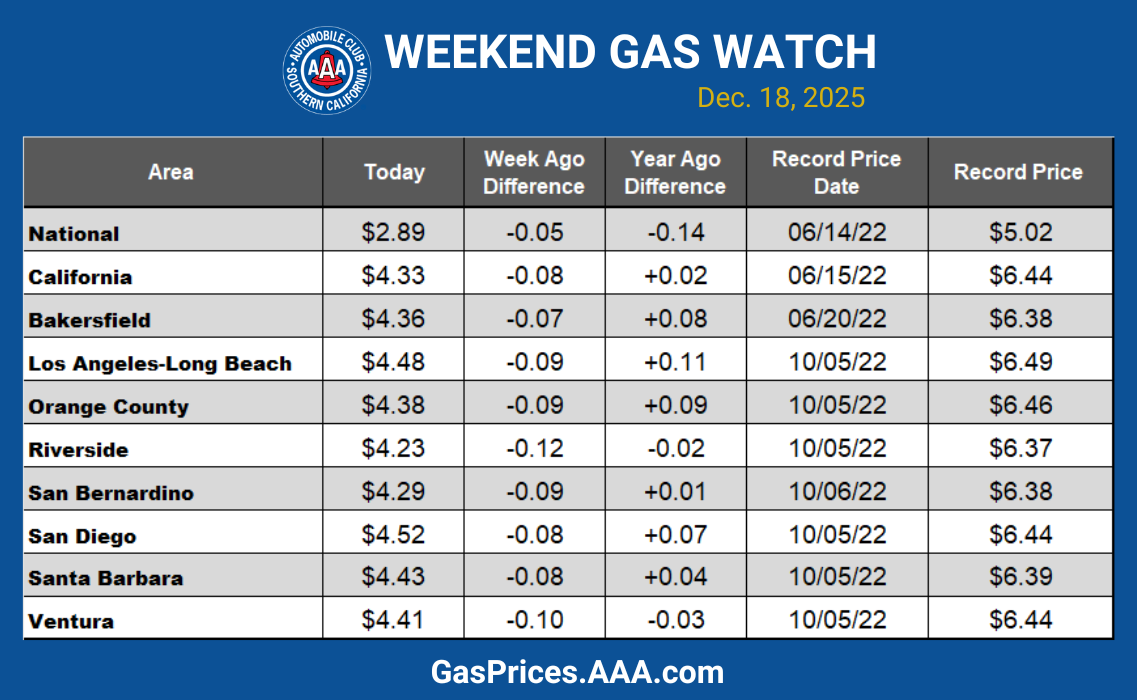
Price Shock: With supply constrained and demand remaining high, analysts warn this sets the stage for gas prices to skyrocket, potentially hitting $10 per gallon.
“Enjoy the Pump”
Californians, who already pay the highest gas prices in the nation due to specific state blends and taxes, are now facing a supply crisis manufactured by policy.
“He says \’We\’re good,\’ but the families trying to commute to work won\’t be good when gas hits double digits,” said a state assembly Republican. “This is a deliberate de-industrialization of our state.”
As Chevron packs its bags, taking over a century of history and revenue with it, the Governor’s “We\’re good” comment may haunt him at the ballot box when voters realize that “voting blue” has turned the gas pump into a luxury item.